What does it mean to matter? 鈥塛hat does it look like to matter?
With the Black Lives Matter movement, questions of racial equity have ignited important鈥攁nd difficult鈥攃onversations in communities and courtrooms, on political campaign trails, and at听college campuses.
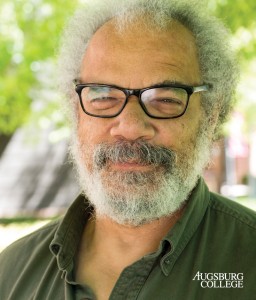
Augsburg College Professor 听studies and writes about Minnesota history and law. He teaches U.S. Civil Rights subject matter, and he recently has been called upon to share his expertise on these topics听to assist media outlets covering Black Lives Matter news in the Twin Cities.
Green听was quoted in a Minnesota Public Radio article that examined the roles non-black activists play in furthering the听Black Lives Matter movement鈥檚 agenda.
In the article, 鈥�,鈥� Green used听the history of the Civil Rights movement to analyze current demonstrations and protests. He also discussed the ways 鈥減rotest fatigue鈥� could impact the movement鈥檚 progression.
On August 5, Green also appeared on听Twin Cities Public Television’s “Almanac” program where he provided a comparison between contemporary protests or听demonstrations and听those occurring decades — perhaps听even centuries — earlier. Green explained that the tactic of making a public display can be useful when a group is seeking to meet a particular goal.
“The trick with the demonstrations, of course, is somehow helping society turn the corner so that … a community doesn’t feel the need to resort to desperate measures,” he said.
The听interview with cohosts Cathy Wurzer and Eric Eskola is available on the and begins at the 31:55 minute mark.
Green’s comprehensive knowledge of Minnesota history has been cultivated over decades, and his latest听book, 鈥淒egrees of Freedom: The Origins of Civil Rights in Minnesota, 1865-1912鈥澨齝hronicles conditions for African-Americans in Minnesota in the half-century following the Civil War. The publication picks up where his听previous book, 鈥淎 Peculiar Imbalance: The Fall and Rise of Racial Equality in Minnesota, 1837-1869,鈥澨齦eft off. Green spoke with MinnPost about the publication, describing his interest in state听history.
鈥淭he history [of Minnesota] is amazing, particularly when you look at who was here before statehood and how they interacted with each other,鈥� he听said. 鈥淚 found that we were lacking a good accounting of the black people who were part of that history. Most of them didn鈥檛 leave a written record, which looks like they had nothing to say, but of course they did. They were part of this experience.鈥�
The Minnesota Book Awards honored Green and “Degrees of Freedom” with the 2016 Hognander Minnesota History Award.

 Augsburg College Professor of History Bill Green spoke to a crowd at the Rochester Art Center about what he learned while researching Minnesota’s history of race relations. Green is the author of the award-winning book, “Degrees of Freedom: The Origins of Civil Rights in Minnesota.”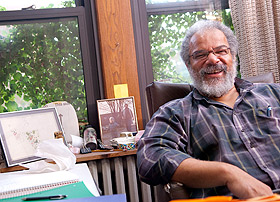
 History Professor Bill Green听spoke with WCCO-TV about why Minnesotans are quick to defend their state’s image.
 The Pioneer Press featured “Degrees of Freedom,” a new book by Professor of History听William “Bill” Green, shortly after its release from University of Minnesota Press. In the book, Green “draws a picture of black experience in a northern state and the nature of black discontent and action within a predominantly white society, revealing little-known historical characters among the black men and women who moved to Minnesota following passage of the 15th Amendment,” according to veteran journalist Mary Ann Grossmann.
 By Jenny Pinther ’15 with Wendi Wheeler ’06