As of fall 2025, news and media updates have been integrated with the Augsburg Now alumni publication. This site archives news stories from before September 16, 2025. Please visit augsburg.edu/now or select "Augsburg Now" from the left navigation for current news.
Associate Professor听Lars Christiansen teaches courses in Augsburg’s Department of Sociology and Urban Studies Program. Christiansen puts his scholarship into practice as director of the Friendly Streets Initiative, a St. Paul-based organization that听facilitates community organizing through听creative public engagement events. The听group aims to help communities envision positive change to public spaces, collect and analyze data, and assist听neighbors in navigating听city planning processes.
Christiansen described the successes of the Friendly Streets Initiative to author Jay Walljasper for a chapter of the new book, “America’s Walking Renaissance: How cities, suburbs, and towns are getting back on their feet.” Walljasper serves as a senior fellow in Augsburg’s Sabo Center for Democracy and Citizenship, and his writing explores how new ideas in urban planning, tourism, community development, sustainability, politics and culture can improve citizens’ lives.
An excerpt from “America’s Walking Renaissance” was published by MinnPost and included a photo of Darius Gray ’15, a community organizer with FSI.
What does it mean to matter? 鈥塛hat does it look like to matter?
With the Black Lives Matter movement, questions of racial equity have ignited important鈥攁nd difficult鈥攃onversations in communities and courtrooms, on political campaign trails, and at听college campuses.
Augsburg College Professor 听studies and writes about Minnesota history and law. He teaches U.S. Civil Rights subject matter, and he recently has been called upon to share his expertise on these topics听to assist media outlets covering Black Lives Matter news in the Twin Cities.
Green听was quoted in a Minnesota Public Radio article that examined the roles non-black activists play in furthering the听Black Lives Matter movement鈥檚 agenda.
In the article, 鈥�,鈥� Green used听the history of the Civil Rights movement to analyze current demonstrations and protests. He also discussed the ways 鈥減rotest fatigue鈥� could impact the movement鈥檚 progression.
On August 5, Green also appeared on听Twin Cities Public Television’s “Almanac” program where he provided a comparison between contemporary protests or听demonstrations and听those occurring decades — perhaps听even centuries — earlier. Green explained that the tactic of making a public display can be useful when a group is seeking to meet a particular goal.
“The trick with the demonstrations, of course, is somehow helping society turn the corner so that … a community doesn’t feel the need to resort to desperate measures,” he said.
The听interview with cohosts Cathy Wurzer and Eric Eskola is available on the and begins at the 31:55 minute mark.
Green’s comprehensive knowledge of Minnesota history has been cultivated over decades, and his latest听book, 鈥淒egrees of Freedom: The Origins of Civil Rights in Minnesota, 1865-1912鈥澨齝hronicles conditions for African-Americans in Minnesota in the half-century following the Civil War. The publication picks up where his听previous book, 鈥淎 Peculiar Imbalance: The Fall and Rise of Racial Equality in Minnesota, 1837-1869,鈥澨齦eft off. Green spoke with MinnPost about the publication, describing his interest in state听history.
鈥淭he history [of Minnesota] is amazing, particularly when you look at who was here before statehood and how they interacted with each other,鈥� he听said. 鈥淚 found that we were lacking a good accounting of the black people who were part of that history. Most of them didn鈥檛 leave a written record, which looks like they had nothing to say, but of course they did. They were part of this experience.鈥�
The Minnesota Book Awards honored Green and “Degrees of Freedom” with the 2016 Hognander Minnesota History Award.
Michael Lansing, associate professor and History Department chair, recently penned an article comparing听the United States’听contemporary political landscape听with periods in the late 1960s and late 1970s.
Lansing is a historian of the modern United States, and his research focuses on political history, environmental history, and other topics. In his Community Voices commentary, Lansing argued that the state of American democracy and milestones occurring in 1979 are听similar to current events.
WCCO TV recently sought counsel from Andy Aoki, professor and department chair of political science at Augsburg College, to answer a question about how much a presidential candidate’s vice president selection听influences voters.
鈥淗ow Much Does The Vice President Pick听Matter?鈥� was the focus of the听recent Good Question segment.
Aoki provided a straightforward answer.
鈥淚t doesn鈥檛 usually matter a lot,鈥� he said. 鈥淭he vice presidents tend to get a lot less attention, so it鈥檚 not that easy for people to make their pick based on them because you don鈥檛 know much about them.
Augsburg College Professor studies and writes about Minnesota history and law. He recently was quoted in a Minnesota Public Radio article that examined the roles non-black activists play in furthering the听Black Lives Matter movement’s agenda.
In the article, Green called on the history of the U.S. Civil Rights movement to analyze current demonstrations and protests. He also discussed the ways “protest fatigue” could impact the movement’s progression.
Kristin Anderson gives tours and presentations at Target Field focusing on architecture, sustainability issues, and art at the ballpark.
At Augsburg College, teaches courses on the history of art and architecture, and she鈥檚 prepared to talk about works ranging from the Mona Lisa to the Metrodome.
Anderson鈥檚 current writing and research are focused on sports architecture, and she is co-authoring a book on the history of athletic facilities in the Twin Cities.
Minneapolis’ new U.S. Bank Stadium is scheduled to open its doors to the public following a ribbon-cutting ceremony on July 22, and Anderson offered an explanation in the听Star Tribune as to why the facility’s design needed to be bold.
鈥淓very sports broadcast will open with a view of the stadium, the skyline shot, the establishing view of the city,鈥� she said. 鈥淚f it weren鈥檛 distinctive or if it were ugly like the Metrodome, that鈥檚 not the statement you want to make.鈥�
Andy Aoki, professor and department chair of political science at Augsburg College, recently spoke with WCCO-TV about the implications of Britain’s decision to leave the European Union, a move now referred to as “Brexit.”
Aoki noted that visitors to the United Kingdom may benefit from the devaluation of the pound, but Britain’s unexpected听political move also had far-reaching negative effects on financial markets around the globe.
“If you’re going this summer, you’ve kind of hit the lottery because the pound doesn’t look to recover much in the near future,” Aoki told reporter Rachel Slavik.
Economic and immigration issues were in the spotlight as the British debated whether or not to pull out of the European Union, and Aoki also provided Slavik with background on how these issues are influencing the 2016 presidential campaign in the United States.
Kristin Anderson 鈥� a听sports architecture expert, Augsburg College archivist, and art history professor 鈥� recently spoke with Minnesota Public Radio host Cathy Wurzer about the Twin Cities’听athletic stadium history.
The Vikings football franchises’ new U.S. Bank Stadium will celebrate its grand opening in approximately one听month, and Anderson provided context on听how the facility continues some local legacies while innovating in other regards.
Nearly听900 Augsburg College undergraduate students were named to the 2016 Spring听Semester Dean’s List. The Augsburg College Dean鈥檚 List recognizes those full-time students who have achieved a grade point average of 3.50 or higher and those part-time students who have achieved a grade point average of 3.75 or higher in a given term.
Students who wish to notify their hometown newspapers of their achievement can do so at their discretion.听.

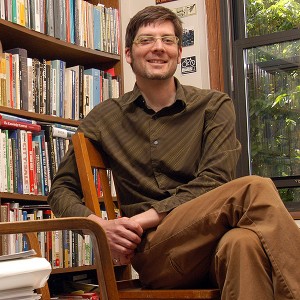 Associate Professor听Lars Christiansen teaches courses in Augsburg’s Department of Sociology and Urban Studies Program. Christiansen puts his scholarship into practice as director of the Friendly Streets Initiative, a St. Paul-based organization that听facilitates community organizing through听creative public engagement events. The听group aims to help communities envision positive change to public spaces, collect and analyze data, and assist听neighbors in navigating听city planning processes.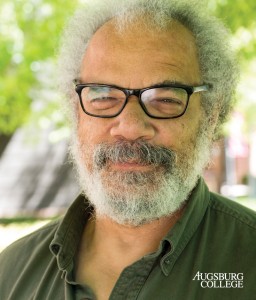
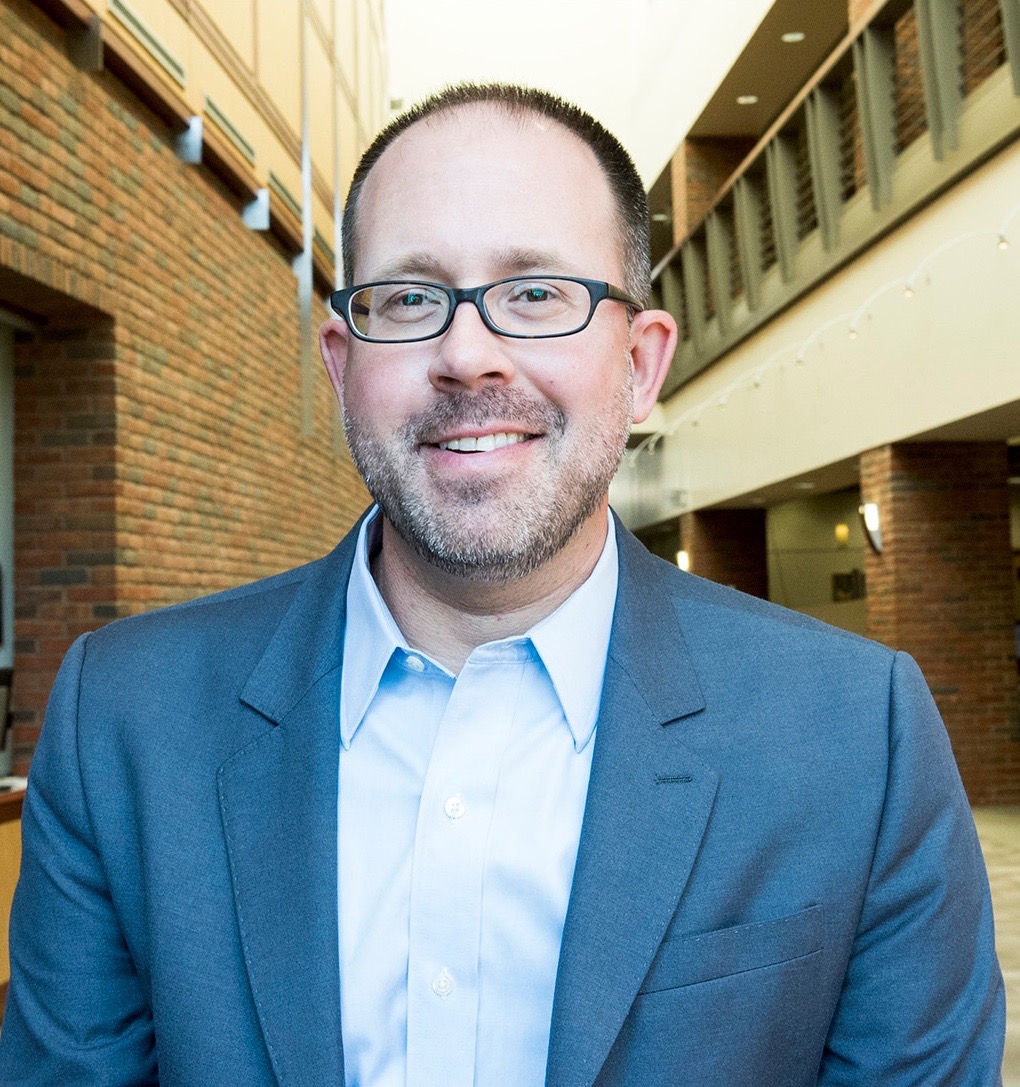 Michael Lansing, associate professor and History Department chair, recently penned an article comparing听the United States’听contemporary political landscape听with periods in the late 1960s and late 1970s.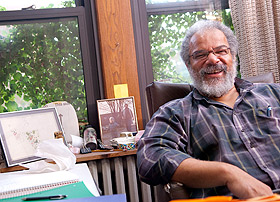

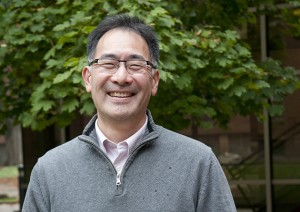 Andy Aoki, professor and department chair of political science at Augsburg College, recently spoke with WCCO-TV about the implications of Britain’s decision to leave the European Union, a move now referred to as “Brexit.”
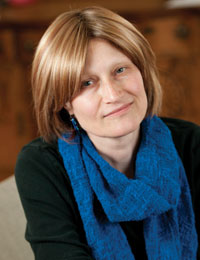 Kristin Anderson 鈥� a听sports architecture expert, Augsburg College archivist, and art history professor 鈥� recently spoke with Minnesota Public Radio host Cathy Wurzer about the Twin Cities’听athletic stadium history.